

Uncategorized
Why a Solana Browser Wallet Extension Actually Changes Everything (and How to Treat It Right)
Whoa! I still remember the first time I clicked “Connect” on a Solana dApp. It felt like stepping into a new neighborhood, all neon and speed. The UI was clean and people were moving assets faster than I’d expected. Initially I thought browser wallets were all the same, but then I dug deeper into how Solana’s transaction model, fee structure, and the extension’s permission prompts change the whole experience for both casual users and power traders.
Really? Phantom, for example, nails the balance between simplicity and control. It shows what a dApp will be able to do before you approve. On one hand the extension reduces friction, making DeFi interactions feel very approachable for newcomers, though actually there are subtleties like transaction batching and signature reuse that veteran users watch for closely. My instinct said “trust but verify” after watching a few odd permission requests, and that nudged me to dig into the extension settings, read the docs, and test with a small amount first rather than sending everything at once (I tested tiny amounts on devnet before mainnet).
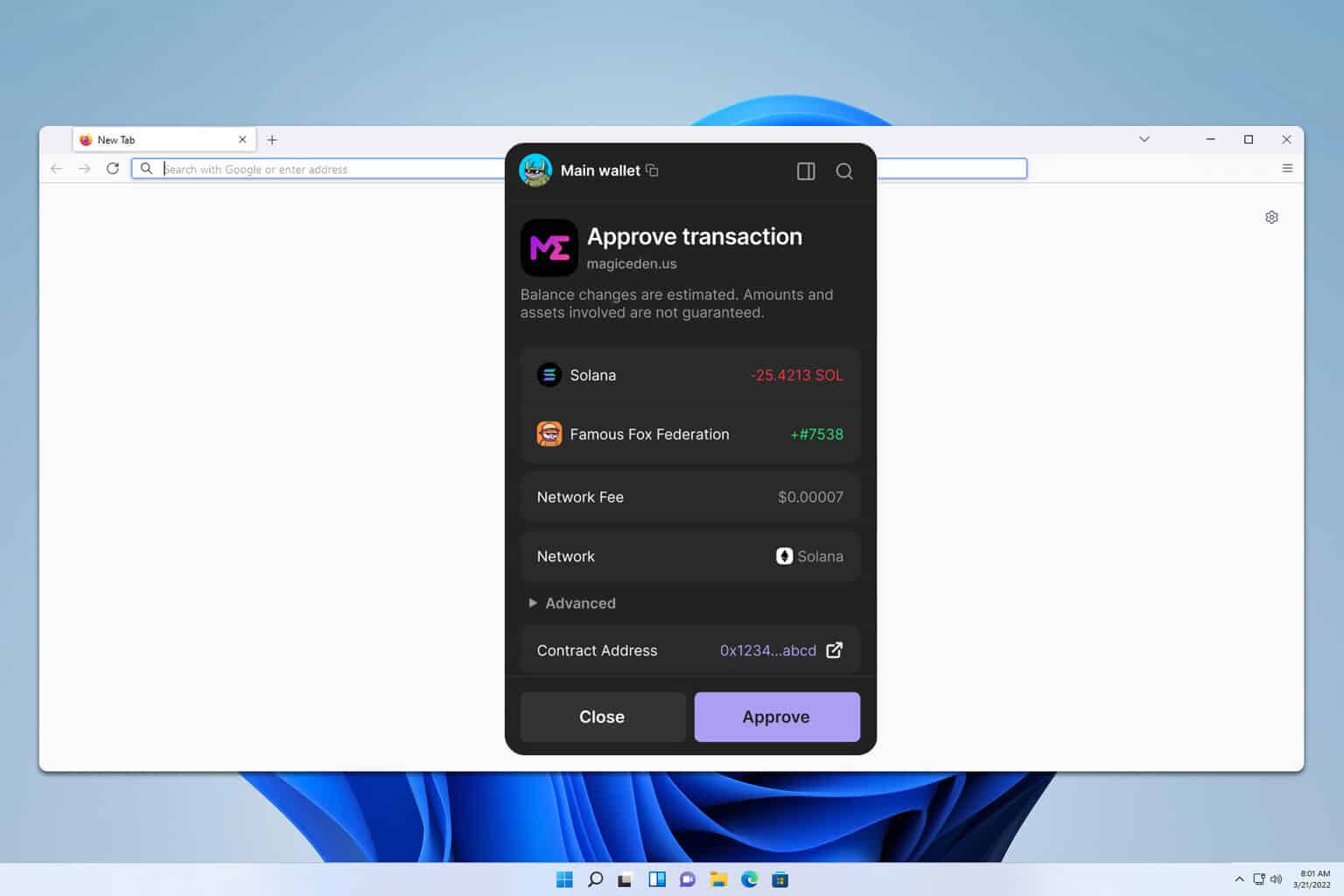
Here’s the thing. If you’re exploring Solana wallets, you want speed, low fees, and clear UX. You also want tight permission controls and a way to manage accounts without sweating every click—somethin’ I’d ignored at first. Security shouldn’t be an afterthought, and usability shouldn’t be sacrificed for it either. So when I recommend a browser extension for managing SOL, tokens, NFTs, or interacting with DeFi protocols, I’m weighing how it isolates keys, how it prompts for signatures, and whether it gives you easy tools to recover or move accounts in an emergency.
Hmm… I’ve seen three common mistakes people make with Solana browser wallets. They reuse the same seed phrase, ignore tiny approval prompts, or test with big sums immediately (oh, and by the way… that last one always makes my teeth grind). One failed recovery story I heard involved an old extension update that changed seed handling, and though that was an edge case, it taught me to keep backups in multiple secure places and to rotate what you store in hot wallets versus cold storage. I’ll be honest—this part bugs me because many tutorials gloss over the simple practice of verifying extension source and update provenance, which is a very very important habit in web3.
Quick install pick
Seriously? Okay, so check this out—installing the right extension is often just the first step. If you want a smooth Solana DeFi experience, choose extensions that show clear transaction details. Also, keep a small testing fund; practice sending tokens before committing significant funds. If you’re ready to try a well-known browser wallet extension that many in the Solana community use for token swaps, NFT interaction, and straightforward dApp access, consider the phantom wallet download extension—I’m biased, but I found the basic flow intuitive, though you should still maintain cautious habits around approvals, backups, and keeping most assets in cold storage.
