
Sober living
Top 4 Best and Worst Drinks for Kidney Disease National Kidney Foundation
We’ll delve into the effects of alcohol on muscle growth, recovery, hydration, and overall athletic performance. We’ll explore the impact of different drinking habits, from occasional indulgences to more frequent consumption. By the end of this article, you’ll have a https://xn--gumiaktrjmiasto-2rb.pl/php-partial-hospitalization-treatment-program-near/ clear understanding of the relationship between alcohol and the gym, enabling you to make choices that align with your fitness goals. While alcohol alone doesn’t directly cause baldness, chronic drinking can cause hair thinning over time.
Muscle Building: Prioritizing Protein Synthesis
- The increased temperatures can also lead to dizziness and nausea in some people.
- Chronic, excessive alcohol consumption over several years or even decades is usually required to cause significant damage, but binge drinking can accelerate the process.
Research has linked a high intake of UPFs Halfway house to an increased risk of kidney disease. Avoid sugary mixers and drink plenty of water to stay hydrated. Monitor your body weight and adjust your alcohol consumption as needed.
Moreover, dehydration thickens the blood, increasing its viscosity. This makes it harder for the heart to pump efficiently and for nutrients to be delivered promptly. The combination of reduced perfusion and increased metabolic demand puts extra strain on the liver’s ability to function normally.
When to Gym After Tattoo: Your Guide to Safe Workouts
Understanding your body’s individual tolerances can go a long way in determining whether certain alcoholic beverages are suitable for you. However, the more you drink, the more likely you are to see a negative impact. Responsible drinking, combined with a focus on your fitness goals, can help you navigate this complex issue.
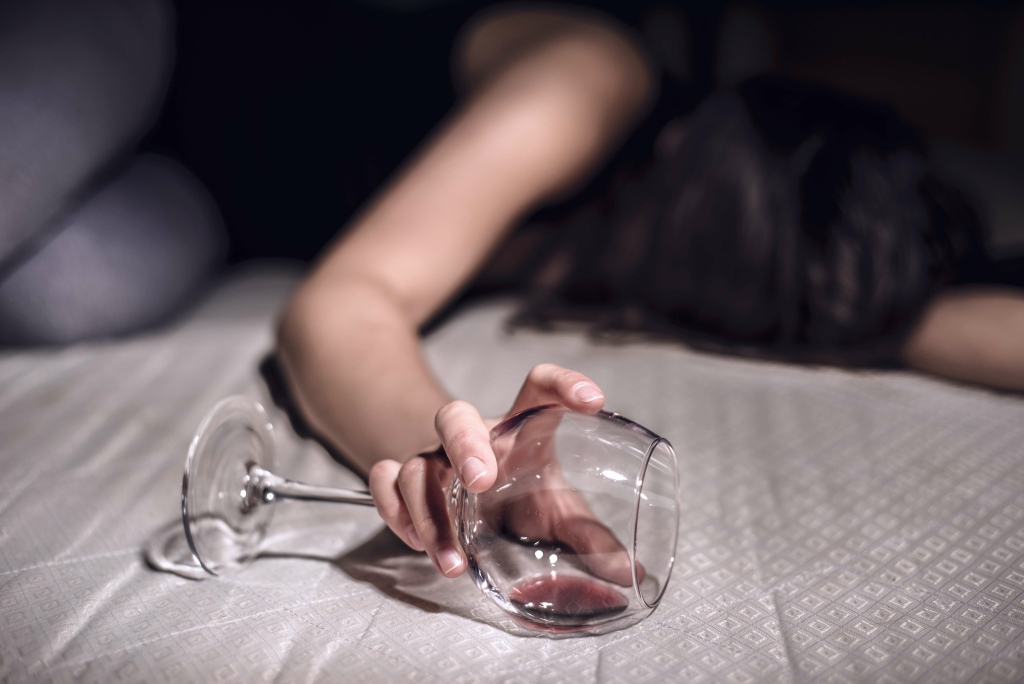
How to Drink Alcohol Without Completely Derailing Your Progress
After stopping alcohol, inflammation in your liver caused by alcohol will subside. Most of this inflammation will be gone by your fourth week of abstinence. While any scarring caused by liver inflammation (called cirrhosis) will be permanent, the effects of inflammation itself will be almost completely resolved by week four. Alcohol might help you get to sleep faster, but it keeps you from reaching the deepest, most restorative stages of sleep. The effects of high-quality sleep will continue to build each day. As early as one week after stopping alcohol, you will likely begin to see benefits.
Drink responsibly
If you’re trying to lose weight, it’s best to limit or avoid alcohol consumption. Alcohol’s impact on your body is complex, and it can definitely interfere with your fitness goals. We’ll explore the mechanisms at play, the factors that influence the effects, and what you can do to minimize any negative consequences. Get ready to learn the truth about alcohol and your hard-earned gains.
Listen to Your Body
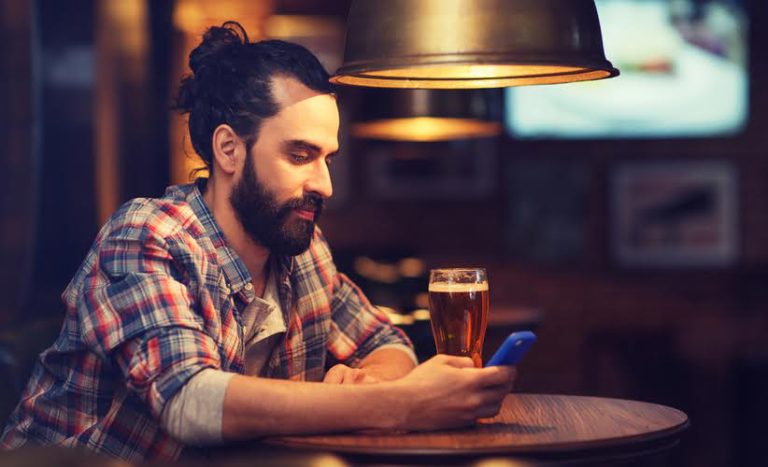
Drinking moderately if you’re otherwise healthy may be a risk you’re willing to take. But heavy drinking carries a much higher risk even for those without other health concerns. Be sure to ask your healthcare professional about what’s right for your health and safety. In the past, moderate drinking was thought to be linked with a lower risk of dying from heart disease and possibly diabetes. After more analysis of the research, that doesn’t seem to be the case. In general, a healthy diet and physical activity have much greater health benefits than alcohol and have been more extensively studied.
Understanding these factors provides context for why individuals may experience different levels of impact. They are the consistent, well-documented experience of people who reduce or eliminate alcohol from their lives. For many people, seeing those changes in the mirror becomes one of the most powerful motivators to keep going. Our article on physical changes when you stop drinking covers the full spectrum of what you can expect beyond just the face. It does not make you feel sick if you drink, and it does not require you to quit cold turkey.
Sticking to these guidelines can help minimize the negative impact on your fitness goals. As mentioned earlier, alcohol is a diuretic, leading to dehydration and electrolyte imbalances. These imbalances can impair muscle function, cause fatigue, and reduce exercise performance. Your liver can only metabolize a certain amount of alcohol per hour – about one standard drink for most people. Any excess alcohol circulates in your bloodstream, affecting your brain, heart, and other does wine dehydrate you organs.
Why Do Get Diarrhea After Drinking Alcohol?
Talk to your doctor, a registered dietitian, or a certified personal trainer. They can provide personalized guidance and support to help you achieve your fitness goals and maintain your overall health. It’s essential to be aware of these risks and to prioritize your overall health. If you’re concerned about your alcohol consumption, talk to your doctor or a healthcare professional. Alcohol affects your coordination and reaction time, making it more difficult to perform exercises safely and effectively.
Chugging drinks or playing rounds can overwhelm your system, catching your digestive tract off-guard and leading to rapid responses like diarrhea. It’s a classic case of “slow down and take it easy” ringing true, not just for holding your liquor but for how your body processes what you’re putting into it. A day and a half after quitting alcohol, withdrawal symptoms will intensify. New symptoms will develop, including clammy skin, nausea, jumpiness, insomnia, depression and loss of appetite. As new symptoms develop, they will become more and more intense as withdrawal progresses. After adjusting for cardiovascular risk factors, increased sauna use was linked with a reduced risk of fatal cardiovascular-related diseases.
While beer typically has a lower alcohol volume than other alcoholic beverages such as liquor, it still has enough to cause dehydration. There is a distinct difference between alcohol dehydration, and the dehydration of alcohol. Having a few drinks can be fun, but feeling dehydrated or hungover is not. It’s up to you to decide if the pleasures of alcohol are worth the potential next-day effects. A vodka with soda is likely more hydrating than just a shot of vodka because you’re consuming more fluids from the soda.
